

It’s one of the first questions I get asked by divers who are thinking about progressing into technical diving. But the more people I teach, the less useful I think the number of dives actually is.
For me, technical diving isn’t really defined by the equipment you use or the depth you reach. Twinsets, stages, rebreathers, helium and decompression are all tools that allow us to do more complicated dives, but none of those things, on their own, make someone a technical diver.
What matters much more is the mindset and process behind the diving: taking responsibility for the dive, understanding the risks, planning appropriately, managing your gas and equipment, and being able to deal with problems as part of a team.
If that’s what we’re trying to develop, then the number of dives in someone’s logbook is a pretty poor measure of whether they’re ready.
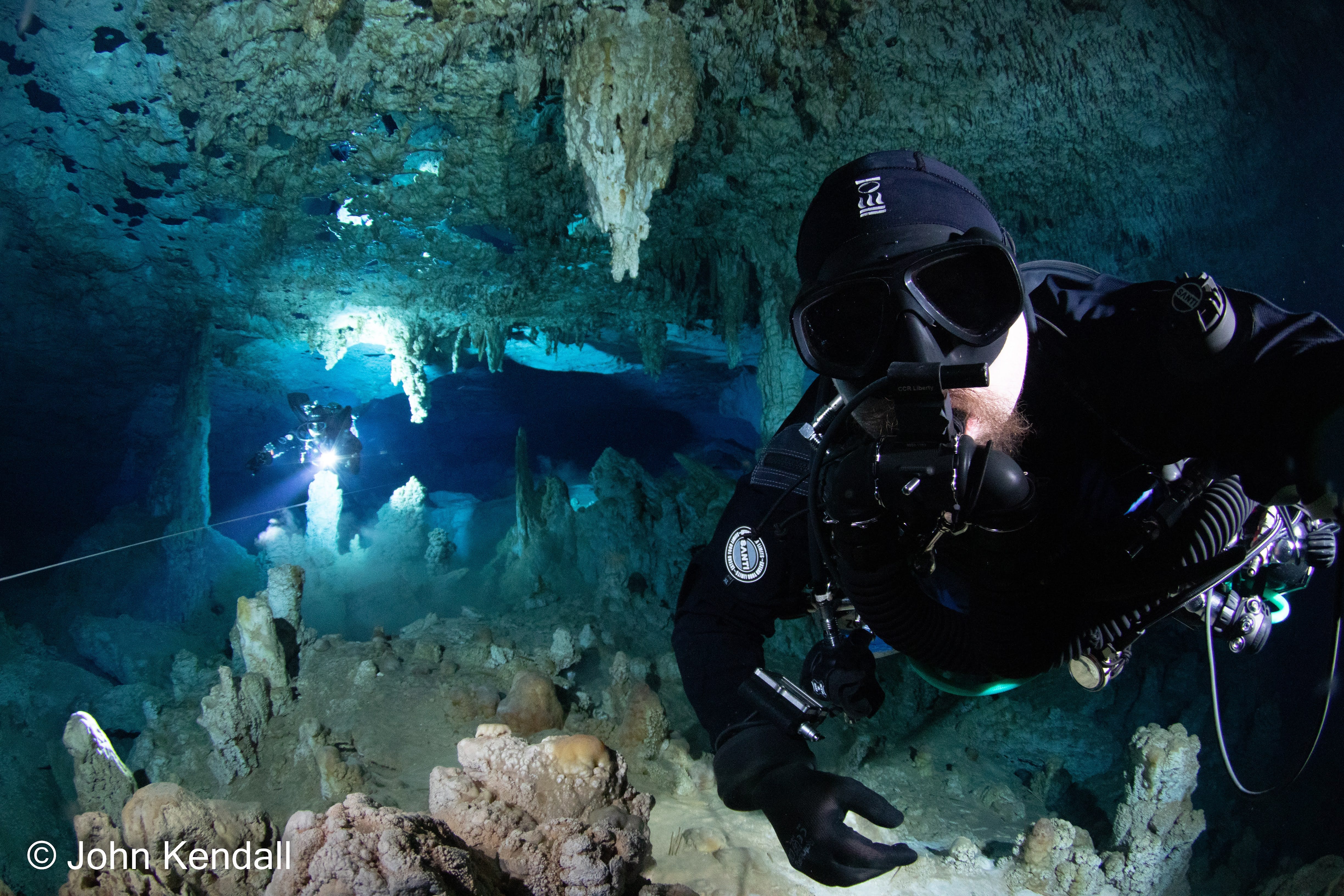
So, how many dives do you need?
If someone asks me for a number, I don’t really have one.
I’ve seen divers with relatively few dives who are excellent learners and progress very quickly. I’ve also seen divers with hundreds of dives who struggle to change habits that have become deeply ingrained.
In fact, one of the things I’ve noticed over the years is that divers with around 200–300 dives can sometimes find learning new techniques particularly difficult. This isn’t a rule, but it is a pattern I’ve seen repeatedly.
At that stage, divers are usually comfortable and confident in the water. They’ve developed a way of doing things that works well enough for the diving they’ve been doing, and they’ve repeated those techniques hundreds of times. The problem comes when technical training asks them to change those habits.
Something that has been automatic for the last couple of hundred dives suddenly has to be done differently. A technique they thought they had mastered now requires conscious thought again. That can be surprisingly uncomfortable.
At the other end of the scale, divers with 1,000 or more dives will often find it easier to accept that there are things they can still learn or approaches that might be better than their existing ones. They’ve had enough experience to know there isn’t necessarily one way of doing everything.
Of course, there can be another problem at that level: ego. Being very experienced doesn’t automatically make someone open to being told that they could do something differently.
And then there are divers with fewer than 100 dives, who are often uncomfortable simply because so much of diving is still relatively new to them. That’s not necessarily a bad thing. If they have the right attitude, that unfamiliarity can actually make them very receptive to learning.
More dives aren’t necessarily better
I’m a big believer in getting more diving experience, but simply adding dives to your logbook isn’t necessarily going to make you more prepared for technical diving.
If you do the same dive, in the same conditions, with the same equipment, following the same guide, and make essentially the same decisions every time, you’re gaining experience, but you’re not necessarily developing the range of skills and judgement you’ll need when the diving becomes more demanding.
I’d much rather see a diver deliberately use their diving to develop. Dive in different locations and temperatures. Experience different visibility and environmental conditions. Work on buoyancy, trim and propulsion. Practise navigation. Understand your gas consumption. Become comfortable with your equipment and, if you’re going to progress into technical diving, start taking responsibility for planning and executing your own dives.
The point isn’t that 50 dives is better than 200. It’s that the value of those dives depends on what you’re doing with them. A thousand repetitions of essentially the same experience may be less useful for your development than a much smaller number of dives where you’re deliberately working on the things you need to improve.
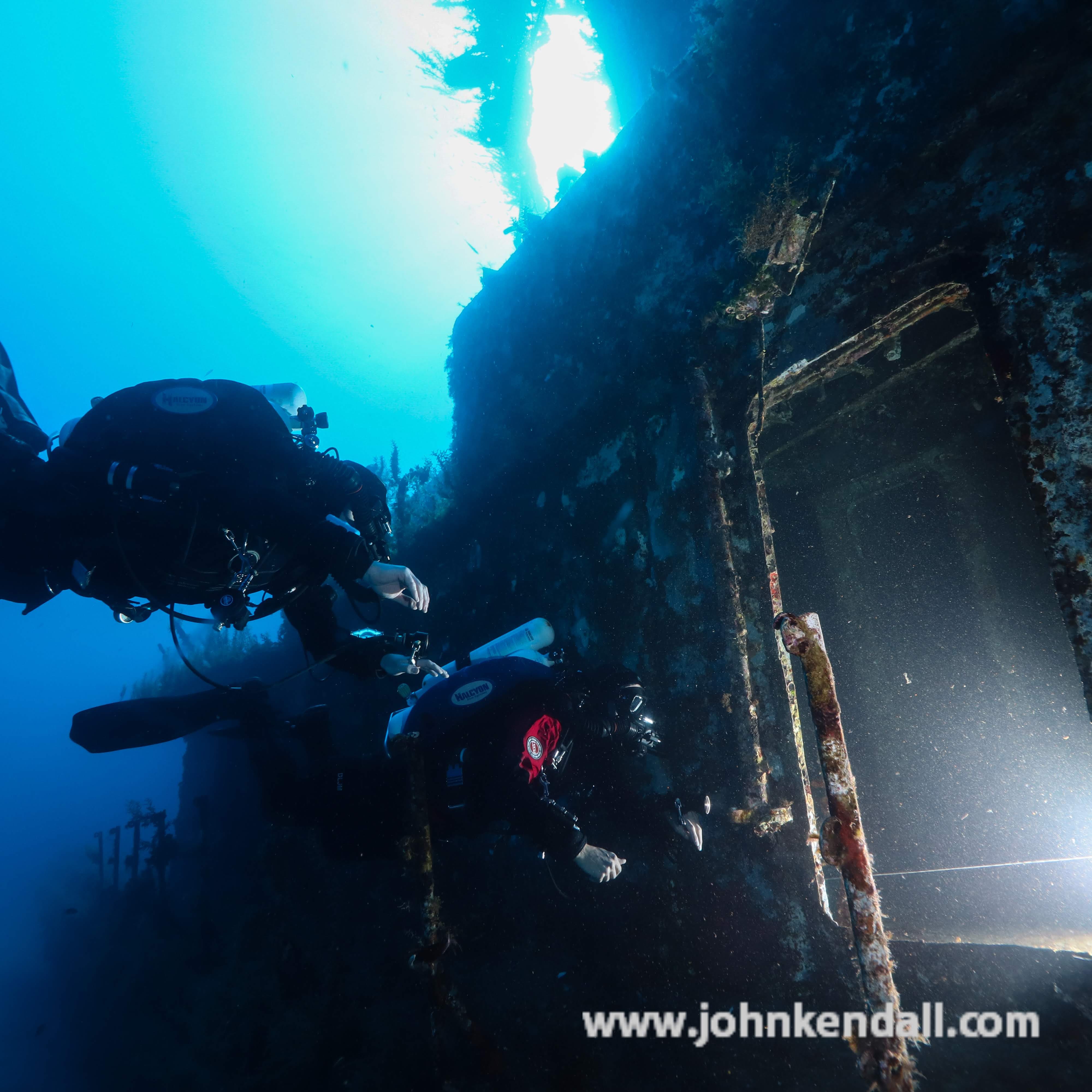
There’s another trap: guided diving
Guided diving is fantastic, particularly when you’re visiting an unfamiliar location. A good guide can introduce you to sites you couldn’t easily explore yourself and make unfamiliar diving much easier.
But if almost all of your diving involves following somebody else, you can miss an important part of becoming a technical diver: taking responsibility for the dive.
Technical diving doesn’t mean becoming completely self-sufficient and never diving with anyone else. In fact, good teamwork is fundamental to technical diving. But you need to understand what is happening around you, make decisions, manage your own equipment and gas, and contribute to the team.
You can’t simply wait for the guide to tell you what to do.
One of the important transitions towards technical diving is moving from being taken diving to being responsible for diving. That means understanding why you’re doing something, rather than simply doing it because the person in front of you told you to.
The biggest indicator isn’t your dive count
If I had to choose one thing that tells me whether someone is likely to progress well in technical training, it wouldn’t be their number of dives.
It would be their attitude.
Are you open to doing things differently? Can you accept that something you’ve been doing for years might not actually be the best way of doing it? Are you prepared to be uncomfortable while you learn? Can you take criticism without becoming defensive? And are you willing to practise something repeatedly until you can do it reliably rather than simply getting it right once?
Those characteristics are far more important to me than whether someone’s logbook says 100, 200 or 500 dives.
Technical diving requires commitment. There isn’t really a quick option where you can learn a few new skills, buy some new equipment and suddenly be ready to do complex dives. The more complicated the diving becomes, the more important it is that the underlying skills and decision-making are solid.
That doesn’t mean you have to be an exceptional diver before you start technical training. Training exists to help you develop. But you do need to have the right attitude towards that process.
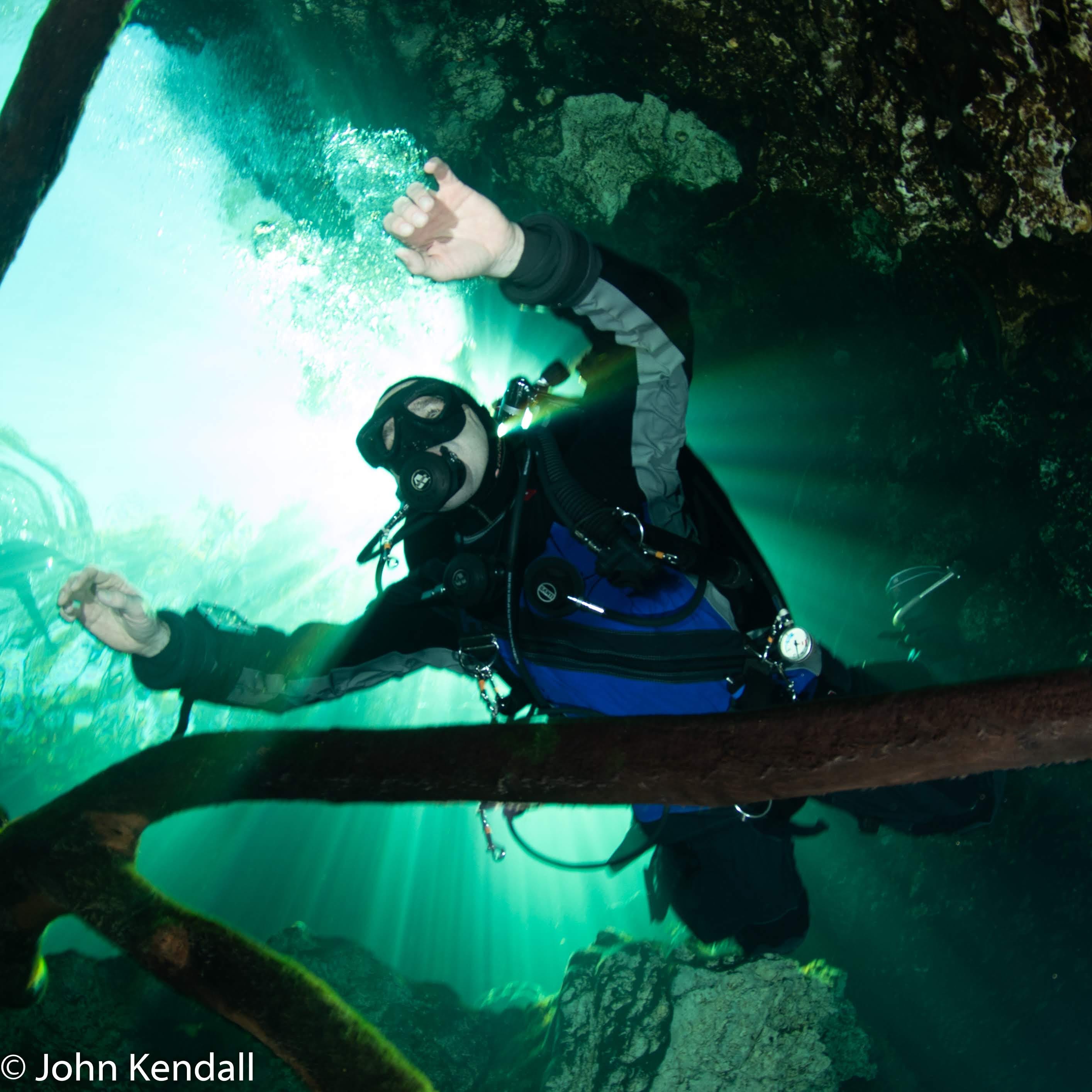
So when are you ready?
I’d turn the original question around.
Instead of asking “Have I done enough dives?”, ask yourself:
“Have I used the dives I’ve done to become the kind of diver who is ready to take on more responsibility?”
If you’ve got 75 dives and are still developing the basics, that’s fine. If you’ve got 300 dives and are extremely comfortable with your current way of diving, that’s fine too. Neither number tells me very much on its own.
What matters is whether you’re ready to learn.
For divers who aren’t quite ready for technical training, a course such as GUE’s Performance Diver can provide a structured way to develop foundational diving skills without immediately moving into technical training. For those who are ready to take that next step, GUE Technical Fundamentals is designed to develop the personal and team skills needed for technical diving.
The important thing is not to treat either course as a shortcut, but as part of a longer process of developing competence and experience.
Ultimately, technical diving doesn’t start when you buy a twinset, a rebreather or a collection of expensive equipment. It starts when you begin taking greater responsibility for your diving and deliberately developing the skills, judgement and mindset that allow you to deal with more complex situations.
So, how many dives do you need?
Enough to have developed the experience you need, but not so many that you’re unwilling to change.
And there’s only one way to find out what that means for you:
Go diving, and make every dive count.
I’m looking to begin my journey into technical diving and this is excellent insight. It’s been a while since I got my Master Diver cert and I’ve told myself I would have to do some retraining. Your take on the experience vs number of dives makes me feel like having forgot a few techniques may be better for me in the long run. Thank you